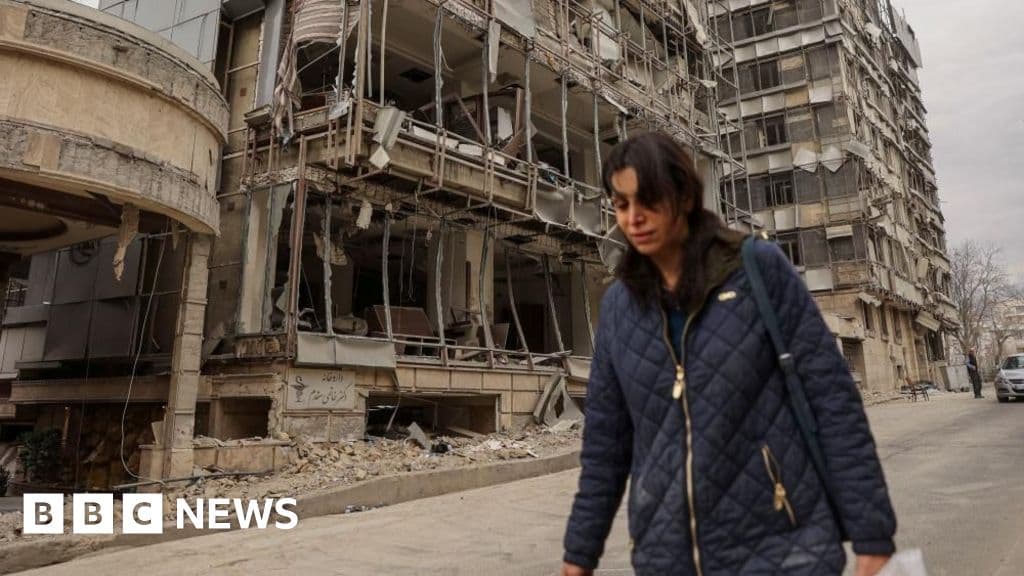
Iran is gripped by unprecedented instability following intense external attacks and the death of its Supreme Leader. This analysis explores the profound societal impact, from urban anxieties to deep political divisions.
The Middle East, a region perpetually at the nexus of geopolitical currents, once again finds itself grappling with profound instability. Recent events in Iran, marked by a significant escalation of external attacks and the dramatic demise of its long-serving Supreme Leader, Ayatollah Ali Khamenei, have plunged the nation into an unprecedented state of flux. For "EverGreen," an journal dedicated to understanding the intricate weave of human experience within societal and architectural contexts, these developments offer a critical lens into the fragility of urban peace and the resilience of a populace under duress.
The Epicenter of Unrest: Beyond the Headlines
The immediate trigger for the current crisis was the coordinated bombardment of strategic Iranian sites, commencing shortly after the shocking announcement of Ayatollah Ali Khamenei's death. This pivotal moment, a seismic shift in the nation's leadership, has amplified pre-existing tensions both internally and across the international arena. Military and strategic targets have become focal points of relentless aerial assaults, transforming the nocturnal calm into a landscape punctuated by detonations.
For the millions inhabiting Iran's sprawling urban centers, this is not merely a geopolitical abstract but a visceral, immediate reality. The reverberations of distant explosions are felt through their homes, a constant, unsettling reminder of the proximity of conflict. This backdrop of ongoing attacks is compounded by a severe information blackout, as authorities have imposed sweeping internet restrictions. Such digital isolation not only severs vital connections to the outside world but also entrenches a sense of vulnerability and frustration among citizens.
Echoes from the Urban Fabric: Life Under Duress
In cities like Karaj, west of the capital Tehran, residents recount experiences of powerful blasts causing homes to tremor, fostering an urgent scramble for safety. Nights are reportedly marked by a relentless cadence of explosions, cultivating a pervasive atmosphere of apprehension and uncertainty about what the dawn may bring. The palpable fear extends beyond the immediate strikes; many citizens express a deep-seated concern that a potential political arrangement might leave them abandoned amidst the ensuing chaos.
The societal impact is starkly evident in the urban rhythm. While some government supporters take to the streets, an undercurrent of public anger and weariness is discernible. Security forces maintain a visible presence, an instrument of control in an already tense environment. Essential services, such as bakeries and petrol stations, witness surges of activity, indicating a population bracing for prolonged instability. Conversely, general street traffic dwindles as people retreat indoors, underscoring a collective withdrawal from public life. The recurring internet outages, perceived as deliberate acts of control, only serve to ignite further public ire, deepening the chasm of discontent.
A Nation Divided, A Future Uncertain
The death of Ayatollah Ali Khamenei, a figure whose reign was marked by significant internal dissent and recent brutal crackdowns on protests, has exacerbated existing societal fault lines. Reports suggest that the deep divisions between pro-government and anti-government factions have widened, creating a precarious internal landscape. The pervasive power of entities like the Islamic Revolution Guard Corps (IRGC) continues to cast a long shadow, fueling apprehension among segments of the populace.
In Tehran, a city accustomed to the ebb and flow of regional tensions, citizens have engaged in preemptive stocking of provisions, a silent testament to their preparedness for potential siege. The collective exhaustion is palpable, mirroring sentiments from previous conflicts. There is a prevailing sense that the current upheaval is more than a fleeting crisis; it represents a demand for fundamental systemic change, a sentiment encapsulated by the desire for a complete overhaul of the existing regime.
This unfolding tragedy in Iran offers a potent case study for "EverGreen," illustrating how geopolitical forces can profoundly reshape the human experience within built environments. It highlights the vulnerability of societal structures to external pressures and internal fissures, urging a deeper intellectual engagement with the complex interplay of power, politics, and the enduring human quest for stability and dignity amidst uncertainty."Architectural silence is often the most profound statement a structure can make. It creates space for the mind to breathe."
— The EverGreen Compendium