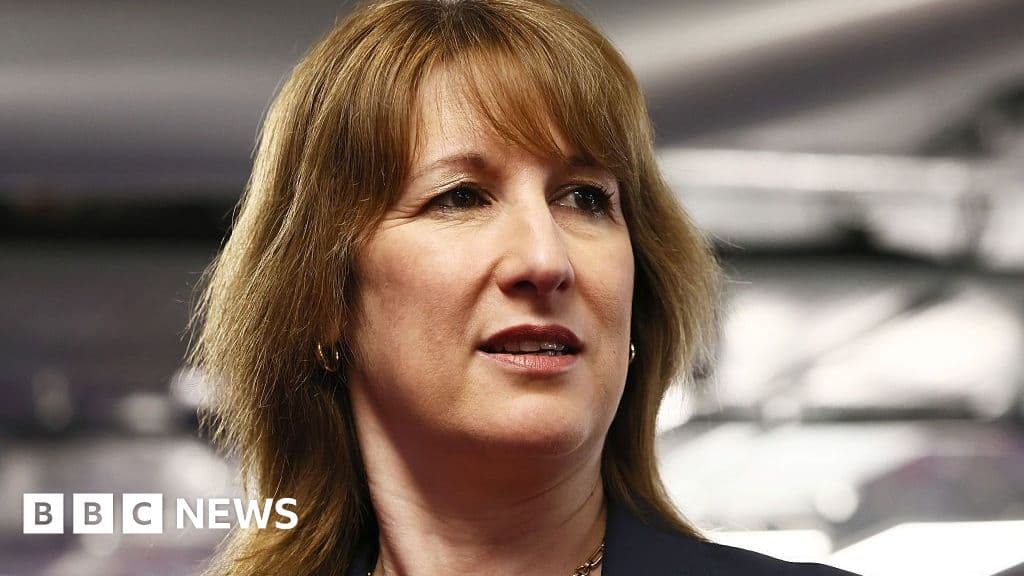
As Chancellor Reeves delivers the Spring Statement, the UK's economic future comes into sharp focus. Delve into OBR forecasts and fiscal policy shaping national trajectory.
In the intricate tapestry of national governance, few events command as much attention and intellectual scrutiny as a major economic statement. For the United Kingdom, Chancellor Rachel Reeves' upcoming Spring Statement is not merely a procedural update; it is a critical juncture, offering a panoramic view of the nation's fiscal health and future trajectory. Published alongside the independent Office for Budget Responsibility's (OBR) latest projections, this moment provides a vital pause for reflection on growth, inflation, employment, and the foundational policies underpinning the UK economy. For EverGreen readers, understanding these dynamics is crucial, as they inherently shape the societal landscape, influencing everything from urban development to long-term infrastructural investment and the very fabric of our communities.
The OBR's Mandate: A Compass for Fiscal Prudence
Central to the Spring Statement's gravitas are the assessments provided by the Office for Budget Responsibility. As an independent watchdog, the OBR plays an indispensable role in monitoring the government's spending plans and performance, delivering twice-yearly forecasts that paint a realistic picture of the economic horizon. These projections—encompassing growth, inflation, unemployment, government expenditure, and tax revenues—serve as a critical compass, guiding public discourse and influencing future policy decisions on taxation and public spending. While traditionally including an assessment of the government's adherence to its fiscal rules (often termed 'headroom'), this specific evaluation will now be reserved for the more comprehensive Autumn Budget.
Indeed, the OBR’s independence is sacrosanct, underscored by the robust measures implemented following a regrettable incident last year where its analysis was prematurely released. Now, its crucial March forecast will be published securely by the Treasury via the gov.uk platform, ensuring the integrity and timely dissemination of its findings. The £21.7 billion 'headroom' figure reported in the November Budget, indicating the government's fiscal buffer against its own rules, highlights the real-world implications of these forecasts. Failure to maintain such buffers can necessitate difficult decisions, potentially leading to increased taxes or cuts in public services – outcomes with profound societal resonance.
Navigating the Economic Currents: A Closer Look at Key Indicators
As the Spring Statement unfolds, the nation turns its attention to the pulse of the economy. The latest OBR report is anticipated to reflect policy shifts enacted since the last Budget, including adjustments to inheritance tax on farms, changes to business rates for pubs, and enhanced funding for Special Educational Needs and Disabilities (SEND) in education. However, beyond these specific measures, the broader economic currents present a complex picture of the **UK economic outlook**.
Growth and the GDP Puzzle
Economic growth, measured by Gross Domestic Product (GDP), remains a pivotal concern. While Labour, since taking power in July 2024, has prioritised boosting economic expansion, the recent figures reveal a slower pace than desired. The UK economy grew by a modest 0.1% in the final quarter of 2025, culminating in a 1.3% growth for the entire year. The OBR's November forecast of 1.4% growth for 2026 is now widely expected to be revised downwards, signalling a potentially tougher road ahead for the nation's productive capacity. This slowdown has implications for future investment and job creation, critical for the architectural and intellectual development pathways of the country.
Inflation's Persistent Grip and Interest Rate Dynamics
The specter of inflation, while having receded from its October 2022 peak of 11.1%, continues to loom large. Although prices rose by a lower 3% in the year to January—the lowest since March 2025—this figure still exceeds the Bank of England's target of 2%. This cooling trend had led analysts to anticipate a reduction in interest rates from their current 3.75%. However, the recent surge in global oil prices, triggered by geopolitical events, introduces a new layer of complexity. Should these elevated prices persist, they could translate into higher fuel costs and broader inflationary pressures on goods, potentially tempering the Bank of England's willingness to ease monetary policy. The delicate balance between taming **UK inflation forecast** and fostering growth remains a central challenge.
Employment and Wages: A Mixed Picture
The labour market presents a nuanced view. While unemployment has been incrementally rising, reaching 5.2% in the three months to December—its highest level in nearly five years—wage growth offers a counterpoint. Average pay, excluding bonuses, grew at an annual rate of 4.2% in the same period, continuing to outpace inflation. This suggests a degree of resilience in individual purchasing power, yet the overall increase in joblessness indicates underlying fragilities in the economic landscape. Businesses, meanwhile, voice concerns over the rising tax burden, particularly the impact of the chancellor's hike in employer National Insurance contributions on hiring costs.
Policy Adjustments and Future Trajectories
Chancellor Reeves has positioned the government as having the 'right economic plan' for a world of increasing uncertainty, asserting that past decisions have forged a 'stronger and more secure economy.' While the **Spring Statement 2026** typically avoids major new policy announcements to prevent ongoing speculation—a strategy refined after past experiences negatively impacting businesses and households—it does offer a platform to reinforce governmental direction. Reeves has stated that 2026 is the year the British public will 'feel the positive impacts' of Labour's changes, acknowledging that while more work is needed, 'conditions for growth' have been created. This commitment to a steady, predictable economic environment aims to foster confidence, encouraging long-term planning essential for sustained national progress.
Beyond the Numbers: Crafting a Resilient Future
Ultimately, the Spring Statement transcends a mere recitation of economic data. It is a testament to the ongoing challenge of governance in a complex global environment, a moment where fiscal strategy is laid bare for intellectual dissection and public understanding. For a journal like EverGreen, the implications extend far beyond the immediate headlines. The health of the national economy directly impacts the funding for infrastructure, the sustainability of urban planning, the investment in education and research, and the broader societal capacity for innovation and intellectual pursuit. As the UK navigates these economic currents, the long-term vision—of building a resilient, prosperous, and intellectually vibrant nation—remains the overarching objective, requiring not just sound **fiscal policy analysis** but also a collective understanding of the intricate forces at play. The Spring Statement, therefore, serves as a crucial chapter in this ongoing national narrative, inviting us all to reflect on the architectural and intellectual blueprints for tomorrow."Architectural silence is often the most profound statement a structure can make. It creates space for the mind to breathe."
— The EverGreen Compendium