The Fragile Architecture of a Young Nation
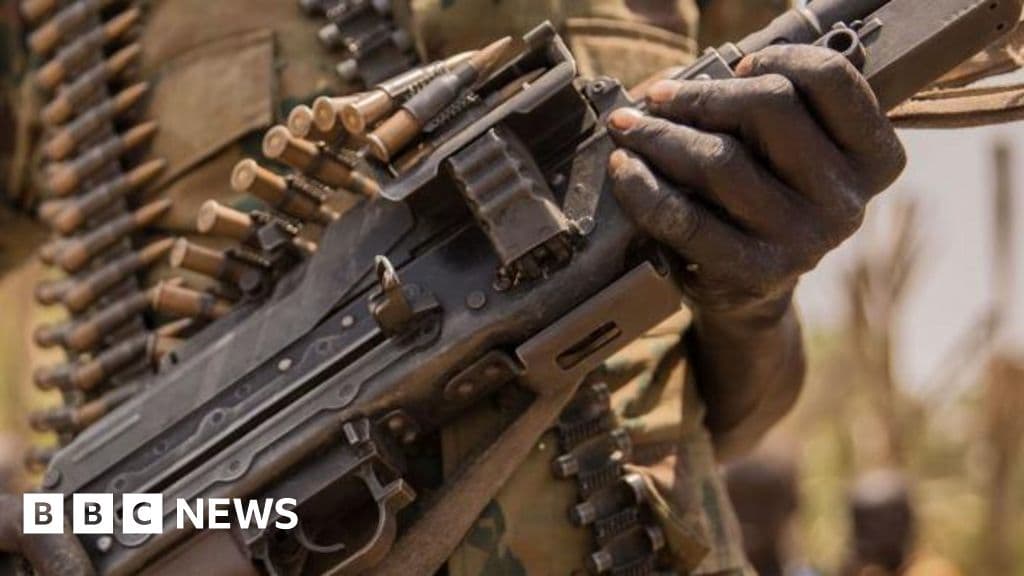
South Sudan, the world’s youngest nation, continues its arduous quest for stability, a journey frequently punctuated by devastating conflict. In a stark reminder of the tenuous peace, recent reports detail a horrific assault in the northern Ruweng Administrative Area that claimed at least 169 lives, including a significant number of women, children, and the elderly, alongside regional security forces. This tragic event underscores the deep-seated challenges hindering the country's socio-political development and the broader efforts towards durable peace.
Anatomy of an Assault: Allegations and Denials
The dawn attack on Abiemnom county, perpetrated by dozens of armed youth, reportedly caught residents unawares while they slept. James Monyluak Mijok, Ruweng Administrative Area’s Information Minister, attributed the violence to assailants from neighboring Unity state, linking them to the Sudan People's Liberation Army in Opposition (SPLA-IO). This accusation, however, was swiftly refuted by the SPLA-IO, who condemned the violence and accused Unity state authorities of politicizing the incident. The intensity of the assault, which lasted several hours and involved the burning of homes and markets, overwhelmed local government forces, leading to significant casualties, including senior officials like the county commissioner.
Echoes of a Fractured Accord
This surge in violence resonates deeply with repeated warnings from the United Nations about South Sudan's risk of regressing into full-scale civil war. The 2018 power-sharing agreement between President Salva Kiir and his long-time rival, Riek Machar, designed to usher in an era of stability, has demonstrably unraveled over the past year. The recent attack, alongside a similar incident in Abiemnom county last year that killed over 42 civilians, illustrates a disturbing pattern of localized violence escalating with broader implications for national peace.
The Humanitarian Imperative: UNMISS and Aid Under Fire
The human cost of this instability is profound. Beyond the immediate fatalities and wounded – many of whom sought emergency medical care from UN peacekeepers in Abyei – thousands are displaced. The United Nations Mission in South Sudan (UNMISS) has reported approximately 1,000 civilians seeking protection near its base in the affected region, expressing grave alarm at the escalating violence. Anita Kiki Gbeho, Officer-in-Charge of UNMISS, unequivocally called for an immediate cessation of hostilities, emphasizing the mission’s enhanced protective posture and collaborative efforts with the government to restore calm.
Furthermore, the humanitarian landscape is severely strained. The medical charity MSF (Doctors Without Borders) recently suspended critical services in parts of Jonglei state after 26 of its staff went missing amidst escalating violence between government and opposition forces. The targeting of an MSF facility by a government airstrike on February 3rd highlights the perilous environment for aid workers, with many forced to flee, now displaced and lacking basic necessities. Such disruptions cripple the already fragile healthcare infrastructure and exacerbate the suffering of vulnerable populations.
A Call for Dialogue in a Nation Adrift
The mass burial of victims due to the sheer number of casualties and ongoing security concerns paint a grim picture of a nation teetering on the brink. The allegations of complicity and the persistent cycle of violence underscore a critical need for transparent investigations, accountability, and, most importantly, a genuine recommitment to dialogue and peacebuilding. For South Sudan to transcend its painful past, the intricate architecture of peace must be meticulously constructed, stone by painful stone, through sustained political will and an unwavering focus on human security.