
In the intricate tapestry of global geopolitics, few narratives are as poignant and complex as the unfolding events in Iran. Since late February, a sustained barrage of strikes, reportedly spearheaded by the United States and Israel, has plunged the nation's capital, Tehran, into an unprecedented state of crisis. These strategic military actions, ostensibly targeting the Islamic regime's political and military infrastructure, have inadvertently, or perhaps inevitably, extended their devastating reach into civilian areas, igniting a profound humanitarian crisis. This escalating Iran conflict is not merely a geopolitical chess match; it represents a cataclysmic rupture in the urban fabric and the daily lives of millions, prompting a rigorous intellectual examination of resilience, governance, and the profound human experience of war.
The intensity of the current hostilities has drawn stark comparisons to previous regional skirmishes, with residents describing an environment of unparalleled fear and destruction. Accounts from within Tehran, though meticulously gathered under severe constraints, paint a grim picture of a city under siege, where the sounds of conflict have become a terrifying daily rhythm. For EverGreen Journal, understanding this crisis necessitates looking beyond the immediate headlines to explore the deeper societal disruption, the challenge to urban resilience, and the ethical dilemmas inherent in modern warfare.
The Unraveling Urban Landscape and Civilian Impact in Iran
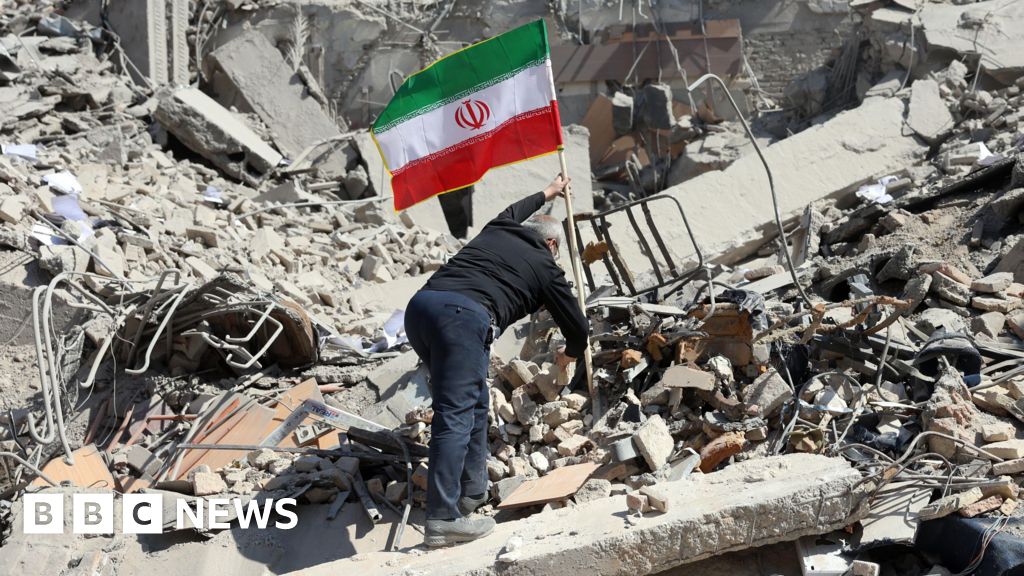
The raw, visceral accounts emanating from Iran underscore a critical dimension of contemporary conflict: its pervasive impact on civilian populations and the very architecture of urban life. As strikes continue to rain down, not only are military and political sites affected, but residential areas, schools, and essential services are caught in the crossfire. The tragic incident in Minab, where a girls' school was hit, resulting in over 160 casualties including children, stands as a stark testament to the indiscriminate nature of conflict, irrespective of stated military objectives. While the White House asserts investigations and denies targeting civilians, the lived reality on the ground tells a different, more somber story of profound civilian impact in Iran.
Tehran, a sprawling metropolis, once bustling with daily activity, is now described as 'empty' by its residents. The psychological toll is immense. One local, whose name has been changed to Salar for safety, reflects, "The number of explosions, the destruction, what is happening - it's unbelievable." His description of his house shaking from air strikes, forcing him to leave windows open to prevent glass from shattering, illustrates the intimate, terrifying intrusion of war into the sanctuary of home. This kind of widespread destruction not only shatters physical structures but also deeply scars the collective psyche of a nation, challenging fundamental notions of safety and stability. The concept of urban resilience is severely tested when the very spaces designed for living and growth become targets.
Echoes of Past Conflicts and Escalating Fear
For many Iranians, the current situation transcends even the horrors of previous engagements. A Tehran resident interviewed by BBC Persian drew parallels to the 12-day conflict between Israel and Iran last year, stating, "What we are experiencing now is beyond what we experienced during the 12-day war." Salar echoed this sentiment, sending his parents to an uncertain safety northward, noting his mother's distress surpassed anything she experienced during the arduous eight-year Iran-Iraq war of the 1980s. This comparison highlights the unprecedented scale and intensity of the present geopolitical instability. The fear is palpable, fostering an environment where basic necessities become luxuries, and the simple act of venturing outside carries profound risk. The constant threat of US-Israel strikes in Iran creates an atmosphere of pervasive anxiety, impacting daily decisions from grocery shopping to maintaining family connections.
The Information Vacuum: Media Blackout and the Quest for Truth
One of the most insidious aspects of the current Iran conflict is the deliberate constriction of information flow. International news organizations frequently face visa denials, severely limiting their capacity for on-the-ground reporting. Compounded by extensive internet blackouts, this creates a formidable information vacuum, making it exceedingly difficult for the outside world, and even for Iranians themselves, to grasp the full scope of events. This media blackout in Iran is a critical intellectual challenge, forcing reliance on fragmented reports and personal testimonies, often obtained through arduous means.
Kaveh, a resident of Zanjan, a city 275km northeast of Tehran and also targeted, recounted his internet connection being cut for two days. In a world increasingly reliant on digital connectivity, such blackouts sever lifelines—not just for news, but for maintaining contact with loved ones. Many, including Kaveh and Salar, resort to Virtual Private Networks (VPNs) to circumvent government blocks, illustrating a desperate struggle for information access during conflict. This digital resistance underscores the human need for connection and truth, even in the face of grave danger.
The State's Grip and Societal Disruption
Amidst the external pressures, the Iranian regime appears to have intensified its internal security measures. An increased security presence, with checkpoints proliferating across cities, is perceived by many as a direct response to dissent following the death of Iran's Supreme Leader, Ayatollah Ali Khamenei, in the initial wave of strikes. A 25-year-old student in Tehran observed, "There are checkpoints everywhere. They're scared of their own shadows." This heightened internal control creates an oppressive atmosphere, where expressing discontent carries severe repercussions. SMS messages from security forces explicitly warn citizens against public protests, equating such acts with 'Israeli collaboration,' a chilling threat suggesting forceful, potentially lethal, repercussions.
This internal tightening creates a complex dynamic within Iranian society under siege. While some initially celebrated news of the Supreme Leader's death, the pervasive security apparatus has suppressed widespread public displays of dissent. The dichotomy between private hope and public conformity becomes a defining characteristic of this challenging period. The regime change implications, while perhaps a long-term goal for external actors, currently manifest as increased repression and uncertainty for the populace.
Economic Strain and Humanitarian Crisis in Iran
Beyond the immediate threats of explosions, the conflict has rapidly deteriorated the economic landscape, exacerbating a burgeoning humanitarian crisis in Iran. Prices for staple goods like eggs and potatoes have skyrocketed, and queues for essential resources such as petrol and bread are described as 'unbelievable.' Another capital resident notes that while supermarkets and bakeries remain open, most other shops are closed, and some cash machines are out of service. This economic disruption, alongside the physical danger, constitutes a multifaceted challenge to survival. For families with ill or elderly members, like Salar's friend's grandmother, relocation is not an option, trapping them in increasingly precarious situations.
The disruption to daily life, from closed shops to scarce resources, transforms the urban environment into a landscape of scarcity and anxiety. The architectural spaces of commerce and community—bazaars, squares, and markets—are emptied, replaced by an urgent, almost desperate, hunt for sustenance. This forced shift in urban rhythm deeply impacts social cohesion and the psychological well-being of the populace, further highlighting the widespread societal disruption.
The Geopolitical Architecture of Hope and Despair
The future of Iran, and indeed the broader Middle East crisis, remains profoundly uncertain. The individuals caught in the heart of this storm articulate a complex interplay of despair and resilient hope. Salar's poignant reflection, "I doubt any of us will ever be the same as before," encapsulates the irreversible trauma inflicted by the conflict. He also critically observes a disconnect between the lived experience on the ground and the often abstract or politically motivated support for military action from external groups, such as monarchists abroad. The profound difference between experiencing war and advocating for it from afar is a crucial intellectual distinction.
Yet, amidst the overwhelming challenges, a glimmer of optimism persists. Kaveh, despite the ongoing devastation, articulates a strengthened hope: "I don't know what will happen after this 'operation'... But even so, my hope hasn't decreased. If anything, it grows stronger each day." He posits that while the path is fraught, the current confrontation offers 'a chance for life and for tomorrow,' suggesting a profound belief in the possibility of a different future, perhaps one free from the grip of the current regime, however perilous the transition. This enduring spirit, even under the weight of geopolitical architecture designed for conflict, speaks to the indomitable nature of human aspirations for peace and self-determination.
Conclusion: Navigating the Rubble, Building the Future
The escalating Iran conflict represents a critical juncture, not only for the nation itself but for the broader understanding of modern geopolitical dynamics and their human ramifications. The destruction of urban infrastructure, the profound civilian impact, the deliberate media blackouts, and the pervasive societal disruption coalesce into a complex challenge that demands rigorous intellectual scrutiny. As EverGreen Journal, we are compelled to analyze how such crises reshape the physical and psychological landscapes of cities and their inhabitants. The narratives emerging from Tehran and other targeted cities are not merely news reports; they are crucial testimonies to human resilience, the enduring quest for information, and the complex interplay between external pressure and internal change. The 'grand moment' of victory or the protracted agony of war remains unseen, yet the persistent hope articulated by those on the ground offers a powerful counter-narrative to the overwhelming despair. The future architectural and intellectual landscape of Iran will undoubtedly be forged in the crucible of these harrowing experiences, challenging us all to consider the true cost of conflict and the possibilities for renewal.