As AI blurs the lines of reality, deepfakes emerge as a formidable threat to corporate integrity and financial security. Understanding this evolving challenge is paramount.
In an era where artificial intelligence perpetually redefines the boundaries of possibility, its darker facets simultaneously challenge the very foundations of trust and authenticity. Generative AI, a marvel of modern computation, has given rise to synthetic media so convincing it can mimic human identity with chilling precision. This phenomenon, colloquially known as "deepfakes," has transcended the realm of mere digital trickery, evolving into a sophisticated vector for corporate fraud and a profound threat to organizational resilience. "EverGreen" delves into this escalating technological arms race, examining how the seamless fabrication of identity is compelling enterprises worldwide to recalibrate their cybersecurity paradigms.
The Evolving Landscape of Digital Impersonation
The digital sphere, once a space largely defined by verifiable interactions, is now rife with the potential for algorithmic masquerade. Deepfake technology, leveraging advanced machine learning, can synthesize video, audio, and text that is virtually indistinguishable from genuine human output. This capability has profound implications, transforming traditional social engineering tactics into hyper-realistic attacks that bypass conventional scrutiny. The intellectual challenge lies not just in detection, but in redefining what constitutes "proof" of identity in a world where seeing and hearing are no longer believing.
Illustrative Breaches: A Global Reckoning
Recent incidents vividly underscore the gravity of this emerging threat, affecting sectors from finance to engineering.
-
The Financial Markets' Vulnerability
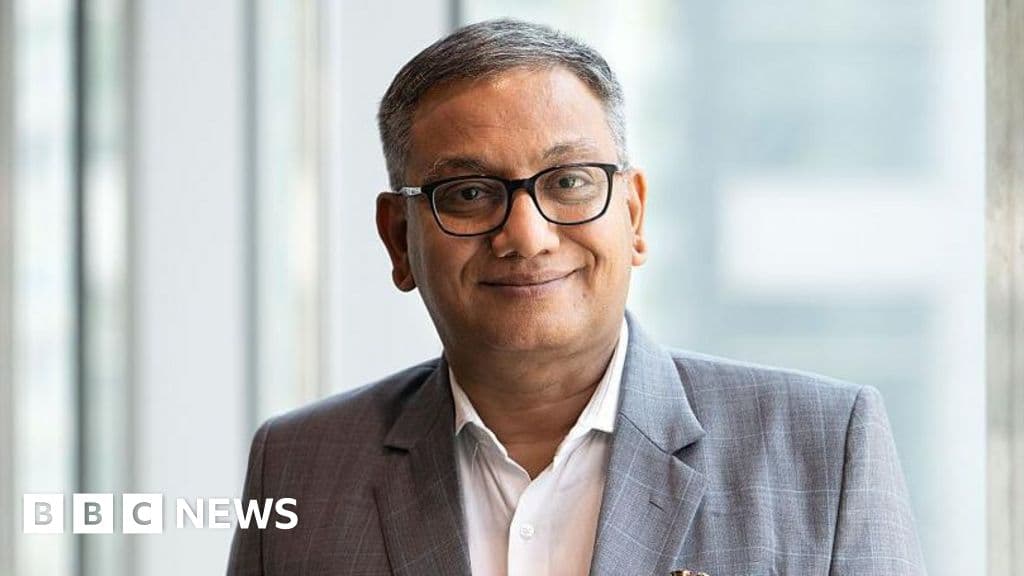
Early this year, India witnessed a disturbing deepfake incident involving Sundararaman Ramamurthy, the chief executive of the Bombay Stock Exchange. A fabricated video, depicting him offering spurious investment advice, proliferated across social media. While swift action was taken to remove the content and issue public warnings, the insidious nature of such attacks lies in their potential for widespread, untraceable dissemination, posing a direct threat to market integrity and investor confidence. The challenge for institutions like the BSE is not merely reactive containment but proactive deterrence against digital impersonation.
-
Enterprise Security Breached: The LastPass Case
The personal security realm offers equally stark warnings. Karim Toubba, CEO of LastPass, became a target himself when an employee received deepfaked audio and text messages purporting to be from him, urgently requesting assistance. Fortunately, corporate protocols — the use of sanctioned communication channels and devices — raised red flags, preventing a potential breach. This incident highlights the critical role of well-defined organizational communication policies and employee vigilance in fortifying defenses against sophisticated deepfake-driven phishing and pretexting.
-
The £18.5 Million Heist: Arup's Deepfake Ordeal
Perhaps one of the most alarming corporate deepfake incidents involved the British engineering giant Arup. An employee, engaged in a video conference with what appeared to be the firm's CFO and other senior executives, was instructed to transfer a staggering $25 million across multiple bank accounts for a "confidential transaction." The entirety of the video call, including the supposed CFO, was a sophisticated deepfake orchestration. This meticulously planned attack demonstrates the devastating financial consequences when deepfakes successfully erode trust in established digital communication channels, prompting a re-evaluation of multi-factor authentication for financial transactions and inter-corporate communication.
The Accelerating Arms Race: Attack vs. Defense
The efficacy of deepfake attacks is amplified by their increasing accessibility and decreasing cost. What once required advanced technical expertise and significant resources can now be orchestrated with relative ease. Experts note that even sophisticated, multi-pronged attacks, leveraging largely free tools, can cost as little as a few thousand dollars, a negligible sum compared to the potential financial gains from successful corporate fraud. This democratization of deception presents an unprecedented challenge for cybersecurity professionals.
Countering the Synthetic Threat: Technological Frontlines and Human Imperatives
Yet, as the threat evolves, so too do the defenses. The technological arms race is characterized by rapid innovation in verification software. These advanced tools analyze nuanced biometric data – from micro-expressions and head movements to subsurface blood flow patterns – to discern the authenticity of a human presence on a digital interface. This ability to "tease out" AI-generated content from reality offers a critical layer of defense.
However, technology alone is insufficient. The human element remains paramount:
-
The Cybersecurity Talent Gap
The global shortage of skilled cybersecurity professionals is a critical vulnerability. As the complexity and frequency of deepfake attacks escalate, the demand for experts capable of developing and deploying robust defense mechanisms far outstrips supply. Investing in talent development and fostering a new generation of cybersecurity architects is an urgent imperative.
-
Organizational Vigilance and Cultural Shift
Companies are gradually awakening to the systemic nature of the deepfake threat. What was once considered a niche concern is now a C-suite priority. This necessitates closer collaboration between executive leadership and Chief Information Security Officers (CISOs), fostering a culture where digital skepticism, robust verification protocols, and continuous employee training become integral to organizational DNA. The "brave new world" demands a proactive, rather than reactive, stance.
Redefining Trust in a Post-Authenticity World
The proliferation of deepfakes forces us to confront fundamental questions about truth, identity, and trust in the digital age. For architectural and intellectual journals like EverGreen, this isn't merely a technological issue; it's a socio-architectural one, shaping the invisible structures of our digital interactions. While the battle between cybercriminals and defenders continues unabated, the long-term solution lies in a multi-faceted approach: continuous innovation in detection, aggressive investment in cybersecurity talent, stringent corporate protocols, and a collective societal recalibration of digital trust. Only then can we hope to fortify the integrity of our institutions against the ever-advancing tide of algorithmic deception.