The Strait of Hormuz, a vital artery of global trade, faces unprecedented disruption. Explore the cascading economic fallout, from soaring energy prices to inflationary pressures worldwide.
The Strait of Hormuz, a narrow yet profoundly critical maritime chokepoint, stands once again at the epicentre of global economic anxiety. Recent escalating tensions in the Middle East have transmuted this vital waterway into a crucible of geopolitical risk, threatening the delicate equilibrium of international energy markets and supply chains. For an intellectual journal like EverGreen, understanding the intricate web of cause and effect emanating from such flashpoints is paramount, revealing the profound vulnerabilities inherent in our interconnected world.
The Strait of Hormuz: A Geopolitical Crucible Under Pressure
The strategic importance of the Strait of Hormuz cannot be overstated. Annually, approximately 20% of the world's total oil and a significant portion of its liquefied natural gas traverse this passage, connecting Middle Eastern producers to global consumers. The waterway's closure, or even severe disruption, represents an existential threat to global energy security. Recent declarations from Iranian officials, threatening severe retaliation against any vessel attempting to navigate the strait amidst ongoing US-Israel conflict, have precipitated a tangible halt in maritime traffic, turning a theoretical risk into a stark reality.
Unprecedented Market Volatility Ignites Global Concerns
The immediate repercussions have been swift and dramatic across global financial markets. Brent crude, a key international benchmark, witnessed a sharp surge, pushing prices towards $80 a barrel, while natural gas futures experienced an even more precipitous climb, increasing by a third in mere days. This volatility extends beyond energy. Stock exchanges across Europe and Asia — from the UK's FTSE 100 and Germany's Dax to Japan's Nikkei and South Korea's Kospi — registered significant declines, as investors grappled with the specter of prolonged conflict and its systemic implications for inflation and interest rates. The market's sharp reaction underscores the fragility of investor confidence in the face of such high-stakes geopolitical maneuvers.
The Ripple Effect: From Supertankers to Household Bills
The disruption in the Strait of Hormuz has created a cascading series of economic pressures. The cost of transporting oil via supertankers from the Middle East to key Asian markets like China has almost doubled in a week, soaring to unprecedented levels exceeding $400,000 per voyage. This exponential increase is not merely a function of demand but is critically exacerbated by the unwillingness of carriers to assume heightened risk, alongside a drastic reduction in insurance coverage for vessels operating in the region.
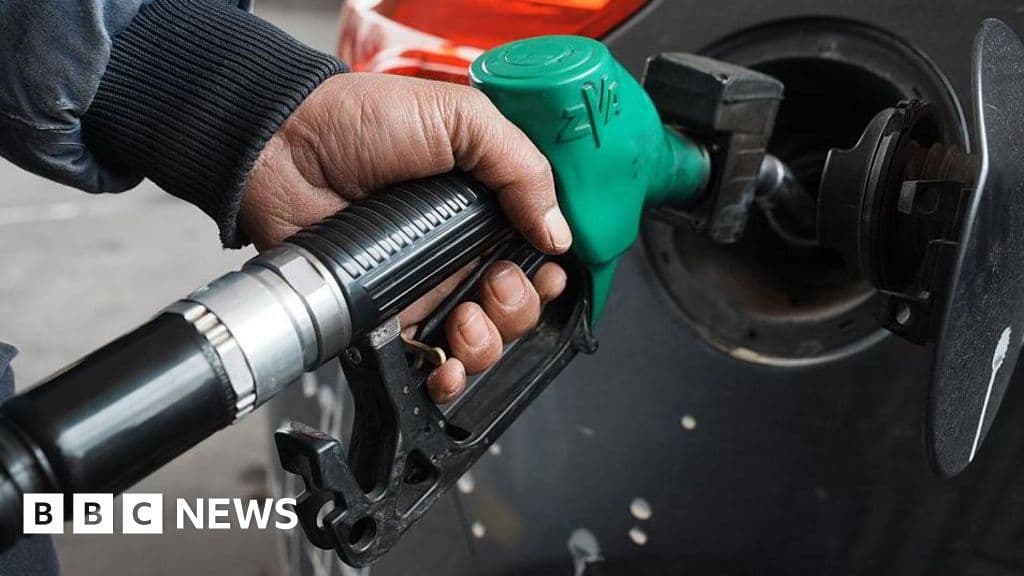
Logistics experts warn that these elevated costs, coupled with anticipated increases in global fuel prices, will inevitably translate into higher shipping rates worldwide, impacting every link in the global supply chain. For households, the implications are dire: surging gas prices will exert upward pressure on energy bills, while broader crude oil price hikes, potentially pushing past $100 a barrel if disruptions persist, will inflate fuel costs at the pump and make transport and food more expensive. This inflationary spiral could, in turn, influence central banks' decisions, potentially delaying or reversing anticipated interest rate cuts, thereby impacting economic growth trajectories globally.
Navigating the Economic Aftershocks: Policy Responses and Future Outlook
Recognizing the gravity of the situation, major economies are beginning to formulate responses. The US administration has acknowledged the direct link between Middle East instability and the cost of living, with plans to announce measures aimed at mitigating rising energy prices. Similarly, the UK anticipates higher fuel costs, underscoring the universal vulnerability to disruptions in global energy flows.
Global Vulnerabilities and Interconnected Economies
The current crisis serves as a potent reminder of the profound interconnectedness of the global economy. Export-driven nations, particularly in Asia, are acutely susceptible. Japan's reliance on energy imports and its export-oriented manufacturing sector saw leading firms like Toyota and Sony face significant share depreciation. South Korea, with its robust export economy anchored by industrial giants like Hyundai and Samsung, experienced an even steeper market downturn. These regional impacts are not isolated; they reverberate across international trade networks, highlighting how a localized geopolitical event can trigger a global economic malaise.
The Strait of Hormuz crisis transcends immediate commodity price fluctuations. It represents a critical test of global resilience, supply chain adaptability, and international cooperation in managing geopolitical risks. For architects, urban planners, and intellectuals contemplating the future of our built and economic environments, this event offers a stark lesson: the foundations of global prosperity are inextricably linked to the stability of critical geopolitical chokepoints, demanding strategic foresight and robust contingency planning in an increasingly volatile world."Architectural silence is often the most profound statement a structure can make. It creates space for the mind to breathe."
— The EverGreen Compendium