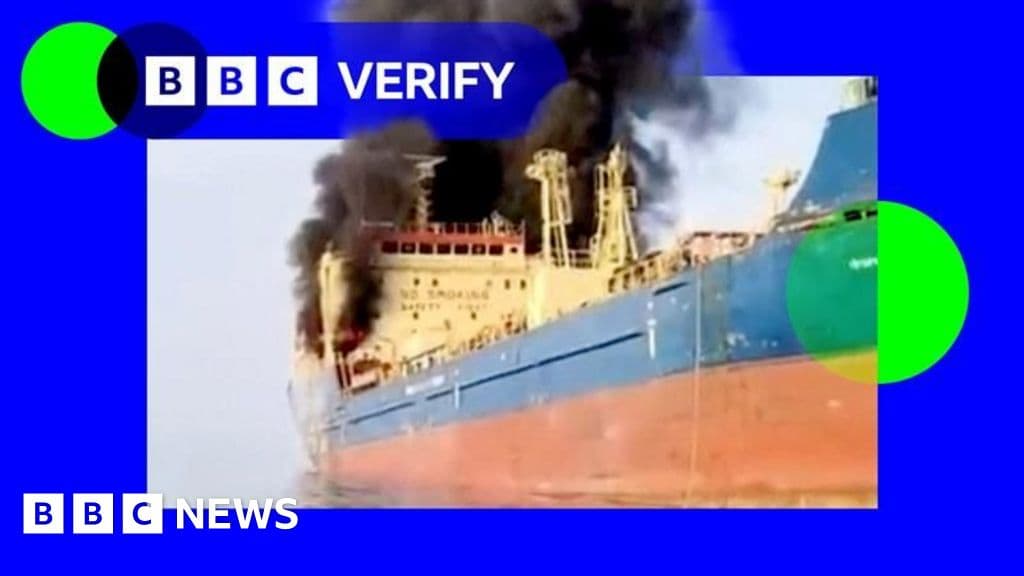
Delve into the strategic significance of the Strait of Hormuz. Discover how shifts in marine traffic impact global energy, trade, and the resilience of urban infrastructure.
The Unseen Currents: Decoding Hormuz's Maritime Pulse
In the grand tapestry of global connectivity, certain arteries pulse with a significance that transcends their physical dimensions. The Strait of Hormuz, a narrow waterway connecting the Persian Gulf to the Arabian Sea, stands as perhaps the most potent example. For EverGreen, an architectural and intellectual journal, understanding the ebb and flow of marine traffic through this critical chokepoint is not merely a matter of geopolitics, but a fundamental lens through which to examine global supply chain resilience, energy security, and ultimately, the very infrastructure that underpins our modern urban landscapes.
Recent observations concerning the dynamics of marine traffic in the Strait of Hormuz compel a deeper intellectual inquiry. Beyond the immediate headlines, these shifts—whether subtle or dramatic—offer profound insights into the intricate dance between international relations, economic stability, and the long-term vision required for sustainable architectural and urban development worldwide.
The Artery of Global Energy and Commerce
At its core, the Strait of Hormuz is an unparalleled conduit for the world's energy supply. Over 20% of global petroleum liquids, and a significant portion of liquefied natural gas (LNG), traverse its waters daily. This makes it an indispensable link in the global energy matrix, connecting resource-rich nations with energy-hungry markets in Asia, Europe, and beyond. But its importance extends beyond fossil fuels; it’s also a vital passage for container ships carrying a vast array of goods, influencing everything from consumer electronics to construction materials.
Any alteration in the rhythm of this traffic—be it due to geopolitical tensions, economic downturns, or even environmental factors—sends reverberations across the globe. These ripples affect shipping costs, insurance premiums, delivery timelines, and ultimately, the cost of goods and energy for billions.
Geopolitical Tides and Their Infrastructural Implications
The strategic vulnerability of the Strait of Hormuz positions it as a constant flashpoint in international relations. Events in the region, ranging from naval exercises to diplomatic incidents, directly influence the perceived safety of transit. Shipowners and charterers constantly monitor these developments, making decisions that can reroute vessels, increase security measures, and impact global logistics networks.
For architects and urban planners, these geopolitical tides are not abstract. They translate into tangible challenges: how resilient are our port cities to supply chain disruptions? What alternative energy sources or logistics pathways need to be integrated into national and regional infrastructure plans? The need for diversified energy grids, smart warehousing, and adaptable urban logistics becomes acutely apparent when considering the fragility of such a pivotal chokepoint.
Designing for Resilience: Architecture's Response to Maritime Volatility
The insights gleaned from analyzing marine traffic in the Strait of Hormuz underscore a critical paradigm for the architectural and planning professions: the imperative of resilience. In a world where global supply chains can be disrupted by events thousands of miles away, infrastructure must be designed with redundancy, flexibility, and foresight.
This includes:
* **Port City Reinvention:** Developing adaptive strategies for coastal urban centers, optimizing for multimodal transport, and integrating sustainable energy solutions to lessen reliance on vulnerable routes.
* **Smart Logistics Hubs:** Designing advanced warehousing and distribution networks that can rapidly adapt to shifting supply routes and volumes.
* **Energy Infrastructure Diversification:** Investing in and designing facilities for renewable energy, advanced grid systems, and strategic reserves that can mitigate the impact of energy supply shocks.
Understanding the pulse of the Strait of Hormuz is to understand the interconnectedness of our world. It's a call to action for architects, engineers, and urban planners to design not just for aesthetics or functionality, but for a future defined by complexity, uncertainty, and an unwavering commitment to global resilience."Architectural silence is often the most profound statement a structure can make. It creates space for the mind to breathe."
— The EverGreen Compendium