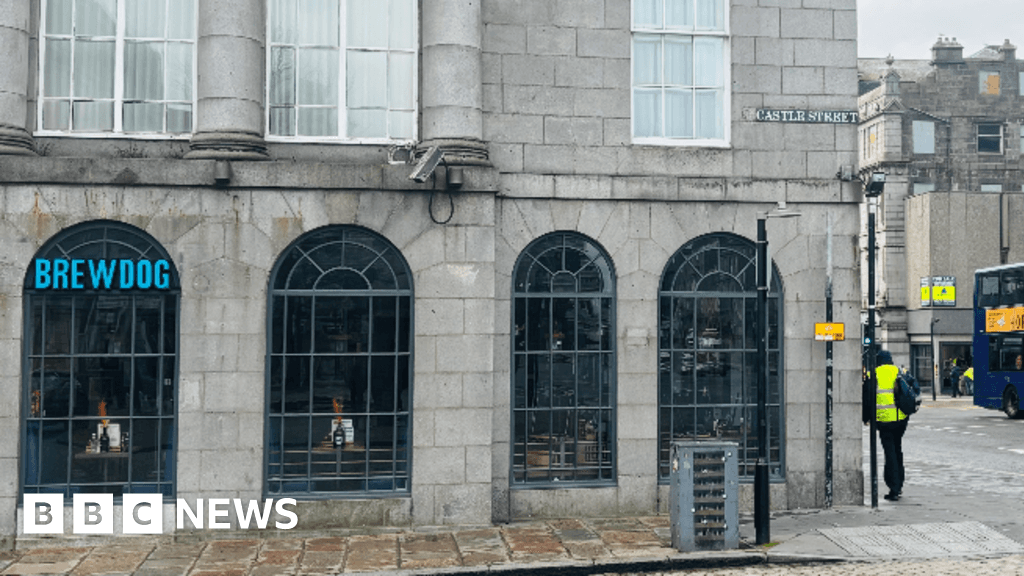
Brewdog's temporary bar closures mark a pivotal moment for the craft beer giant as it progresses towards a significant business sale. This reflects a deep strategic recalibration, offering a compelling case study in corporate evolution and brand architecture for a global enterprise.
The temporary closure of Brewdog's global network of bars, a symbolic pause in its bustling operations, marks a pivotal moment for a brand that once epitomized the rebellious spirit of craft brewing. This halt signals not a cessation, but a deep strategic recalibration, as the Scottish craft beer titan progresses towards a significant business sale. For “EverGreen,” this event offers a compelling case study in corporate evolution, brand architecture, and the complex journey from disruptive startup to global enterprise.
The Shifting Tides of a Craft Icon
Just over a decade ago, Brewdog burst onto the scene, positioning itself as the antithesis to the 'stuffy and corporate' brewing establishment. Founded by James Watt and Martin Dickie in 2007, its initial identity was forged in bold marketing stunts, unconventional share offerings, and a rapid, aggressive expansion that saw breweries established across the US, Australia, and Germany, alongside a formidable network of approximately 60 bars in the UK alone. The physical architecture of its venues, often industrial-chic and unconventional, mirrored its disruptive brand philosophy.
This week, however, the narrative shifted from aggressive expansion to strategic consolidation. The closure of its bars, confirmed by CEO James Taylor in an internal communication, was a logistical necessity, paving the way for licensing transitions under an anticipated change of ownership. This action, coupled with the cancellation of deliveries and bookings, underscores the immediate and tangible impact of significant corporate restructuring.
From Rebel Yell to Global Footprint
Brewdog’s journey is a testament to the power of a strong brand identity and ambitious vision. It built a loyal community, a 'craft beer army,' that invested in its growth and championed its mission. This rapid ascent, however, brought with it the inherent challenges of managing scale, maintaining ethos, and sustaining profitability in a competitive, evolving market. The very architecture of its business model, once agile and iconoclastic, began to show the strains of global ambition.
Navigating Turbulent Waters: Financial & Strategic Realignment
The impetus for the current sale process is rooted in recent financial headwinds. After failing to generate a profit in recent years, consultants AlixPartners were engaged, signaling a serious strategic review. This follows a reported £37 million loss, leading to job cuts in October last year and the closure of ten UK bars in early 2025, including its flagship Aberdeen site.
These are not isolated incidents but carefully considered strategic divestments. Last month, the decision to halt production of gin and vodka brands at its Ellon distillery was framed as an effort to 'sharpen the business’s focus.' In an architectural sense, this represents a streamlining of its operational blueprint, shedding elements deemed non-core to fortify its foundational structure.
Reassessing Brand Ethos and Leadership
The journey has not been without its controversies, which have tested the integrity of its brand architecture. Accusations regarding former CEO James Watt's conduct, highlighted in a BBC documentary (though an Ofcom complaint was rejected), and a backlash over a policy shift away from the real living wage, challenged Brewdog's carefully cultivated image as an ethical, progressive employer. Such ethical dilemmas invariably impact a brand’s intellectual standing and public perception.
Leadership also saw significant shifts. Watt transitioned from CEO to the newly created 'captain and co-founder' role, while co-founder Martin Dickie departed for personal reasons last year. These changes at the helm suggest a deeper introspection into the company's direction and internal culture, indicating a strategic attempt to reshape its leadership architecture for future stability and growth.
What Lies Ahead: A Strategic Blueprint for Renewal
Employing approximately 1,400 people across its global operations, Brewdog is a significant player in the F&B industry. The impending sale is more than a transaction; it is an opportunity for a complete strategic overhaul. A new ownership structure could inject fresh capital, redefine its strategic priorities, and potentially revitalize its original, rebellious spirit within a more sustainable business model.
For “EverGreen,” Brewdog's current trajectory serves as a compelling lesson in the lifecycle of modern enterprises. It demonstrates that even the most innovative and disruptive brands must periodically re-evaluate their corporate architecture, adapt to market realities, and sometimes, fundamentally redesign their business blueprint to ensure enduring relevance and success. The question now is not just who will acquire Brewdog, but what new strategic design will emerge from this pivotal moment, charting its course for the next chapter."Architectural silence is often the most profound statement a structure can make. It creates space for the mind to breathe."
— The EverGreen Compendium