Escalating geopolitical tensions in the Middle East are disrupting global air travel and supply chains, highlighting the fragility of interconnected systems. Explore the broader economic and human impacts on our intricately linked world.
The intricate web of global connectivity, a cornerstone of modern commerce and cultural exchange, is once again facing significant disruption, this time stemming from escalating geopolitical tensions in the Middle East. Recent retaliatory strikes involving the US, Israel, and Iran have sent immediate shockwaves through the region's airspace, precipitating widespread flight cancellations, diversions, and heightened travel advisories that reverberate across continents. For an intellectual journal like EverGreen, understanding these dynamics goes beyond mere news reporting; it's an examination of how strategic friction impacts the very arteries of our interconnected world.
The Fragile Architecture of Global Air Travel
At the heart of this disruption lies the Middle East's crucial role as a nexus for international aviation. Hubs like Dubai International (DXB) and Hamad International (DOH) in Doha are not merely airports; they are pivotal nodes in the global circulatory system, facilitating millions of passenger transits and countless tons of cargo annually. The immediate consequence of the escalating conflict has been the closure or severe restriction of airspace over Iran, Iraq, Qatar, Bahrain, Kuwait, Syria, and parts of the UAE and Saudi Arabia. This unprecedented scale of airspace denial has led to:
- **Widespread Flight Suspensions:** Major carriers, including Emirates, Etihad, British Airways, and Virgin Atlantic, have temporarily suspended operations to and from key regional destinations like Tel Aviv, Bahrain, Abu Dhabi, and Dubai.
- **Extensive Rerouting:** Flights traversing the region, particularly those connecting Europe and Asia, are now undertaking significantly longer journeys, circumnavigating the affected zones via routes over Saudi Arabia or the Caucasus. This not only increases travel time but also operational costs and logistical complexities.
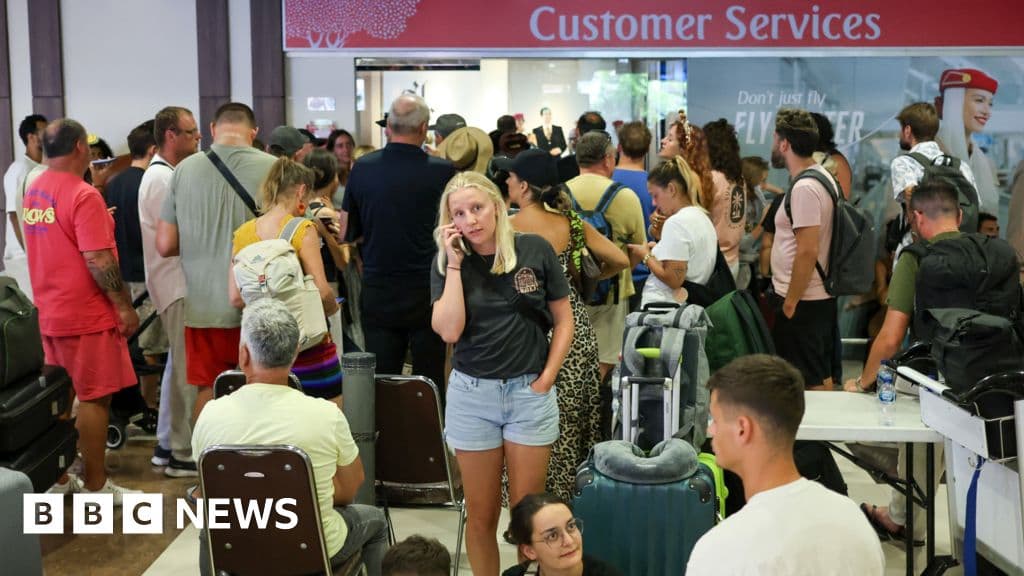
- **Stranded Travelers:** Thousands of passengers, from those embarking on anniversary trips to families returning home, have found themselves unexpectedly grounded in transit cities, facing uncertain waiting periods and a scramble for alternative arrangements.
These operational challenges underscore the inherent vulnerability of a system designed for efficiency and speed but exposed to sudden, unpredictable geopolitical shifts.
Beyond the Airspace: Economic and Human Dimensions
While the immediate impact is visible in airport terminals, the ramifications extend much further, touching upon critical aspects of global business and human experience.
Supply Chain Vulnerability
The rerouting and delays in air cargo, particularly for time-sensitive goods, highlight the delicate balance of global supply chains. Extended transit times and increased fuel costs can ripple through various industries, potentially leading to price increases or delays in product availability, challenging business continuity for companies relying on this vital artery.
Economic Pressure on Aviation & Tourism
The prolonged disruption places significant economic strain on airlines already navigating a complex operational landscape. Reduced passenger numbers, increased operational costs, and the need for contingency planning all contribute to financial pressures. Simultaneously, the tourism sector in the affected regions and beyond feels the immediate pinch, as travel advisories from governments like the UK Foreign Office – warning against non-essential travel to Bahrain, Kuwait, Qatar, and the UAE, and against all travel to Israel and Palestine – deter potential visitors and prompt concerns about the long-term perception of regional stability.
The Human Element of Disruption
For individuals like Richard and Hannah, stuck in Bahrain en route to Oman, or Emma and Vic, stranded in Dubai, these events translate into profound personal inconvenience and anxiety. Their experiences illustrate the human cost of geopolitical instability, disrupting meticulously planned journeys and family reunions. The advisories for citizens to register their presence with embassies and consider evacuation plans further underscore the serious and immediate implications for those within the affected zones.
Navigating Uncertainty: The Imperative for Resilience
The current situation serves as a potent reminder of the need for robust business continuity strategies and adaptable international relations. For global enterprises and nation-states alike, the ability to anticipate, mitigate, and respond to sudden geopolitical disruptions is paramount. This includes fostering diversified supply routes, enhancing intelligence gathering for early warning, and developing flexible operational frameworks that can pivot quickly in a crisis.
As the world watches for de-escalation, the events in the Middle East offer an invaluable, albeit challenging, case study in the fragility of our interconnected systems. They compel us to reflect on the enduring importance of peace, the resilience of infrastructure, and the continuous intellectual pursuit of stability in an ever-complex global landscape.