The UK is poised for a monumental shift in its asylum policy, moving from a long-held assumption of permanent refugee status to a system of temporary protection. This profound recalibration will reshape societal integration and the nation's approach to border control.
A Foundational Shift: Unpacking the UK's Recalibration of Asylum Policy
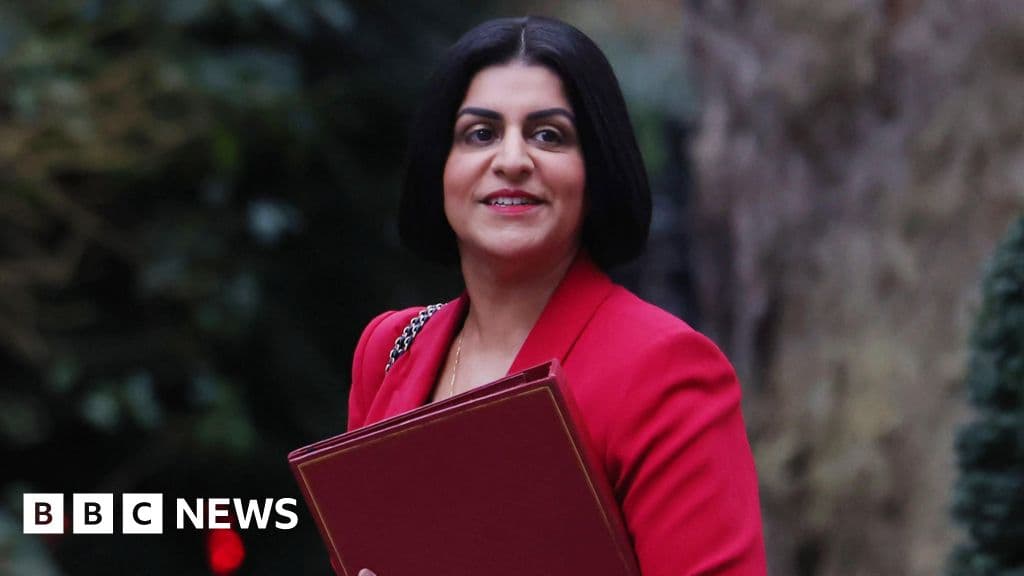
In a move poised to reshape the very architecture of the UK's humanitarian and immigration framework, Home Secretary Shabana Mahmood is set to announce a profound recalibration of the nation's asylum system. From Monday, successful asylum seekers, previously granted a pathway to permanent settlement, will instead be offered only temporary protection. This represents arguably the most significant overhaul of the system in a generation, signaling a departure from long-held tenets of refugee status.
A Paradigm Shift: The New Framework for Temporary Protection
The core of this policy shift lies in the introduction of temporary protection, a marked contrast to the previous five-year initial leave to remain. Under the new regulations, the status of successful asylum seekers will be subject to review every 30 months. The potential outcome of these reviews includes repatriation to their country of origin, provided it is deemed safe. An exception to this review process will be made for unaccompanied children, recognizing their unique vulnerability.
This immediate change, notably, will come into force without requiring a parliamentary vote, leveraging existing legal frameworks to alter the interpretation of current rules. Such a mechanism underscores the executive's capacity to enact substantial policy shifts without direct legislative scrutiny for these specific measures.
Extended Pathways to Residency: Heightened Hurdles for Integration
Beyond the immediate changes to refugee status, other proposed reforms, requiring full parliamentary scrutiny, are also on the horizon. These include a significant extension of the time required for most migrants to gain permanent residency rights in the UK, doubling from five to ten years. For refugees, this period could extend to a daunting twenty years. Such proposals raise critical questions about long-term integration, social cohesion, and the psychological impact on individuals striving to rebuild their lives within a new society.
Drawing Lessons from Denmark: A Comparative Lens
The genesis of this policy shift appears to draw inspiration from international precedents. Home Secretary Mahmood recently undertook a fact-finding mission to Denmark, a nation whose Social Democrat government—Labour's sister party—has similarly hardened its stance on immigration. Denmark transitioned from offering refugees seven years of protection with a route to permanent settlement, to a system of reviewing cases at least every two years. Mahmood expressed approval of Denmark's basic, yet warm, dormitory accommodation for new arrivals, indicating a potential blueprint for future UK reception centres.
While there are clear parallels in the shift towards temporary status and stricter controls, critical divergences between the UK and Denmark must be acknowledged. Denmark is a considerably smaller and less diverse nation, crucially, it does not contend with the unique and pressing challenge of small boat crossings across the English Channel, a defining feature of the UK’s current immigration landscape. This difference underscores the complexity of directly transposing policy models from one national context to another.
The Rationale and Repercussions: Navigating the Political Landscape
The Government's Stance: Deterrence and Public Trust
Mahmood articulated the rationale for these sweeping changes during her Copenhagen visit, stating the government is “changing an age-old assumption of what it means to be a refugee — moving from a permanent to a temporary status.” The primary objective, she asserted, is to make the UK “less attractive for illegal migrants” and to “change the calculus in the minds of the people about to get on a boat,” promising a “much more difficult system for illegal arrivals.”
She framed these reforms as “existential” for the nation, highlighting a perceived “lack of control in our border system” and its corrosive effect on “public trust and confidence in politics,” as well as the state's very capacity to govern. The Home Secretary also explicitly linked the success of these reforms to Labour's political viability, acknowledging that failure to end the use of asylum hotels could cost them the next election.
Voices of Dissent: Ethical and Practical Concerns
Despite the government's resolve, these proposals have ignited significant internal and external dissent. Some within Mahmood's own party have accused her of “aping” the rhetoric of populist right-wing parties, particularly Reform UK. The loss of the once-safe seat of Gorton and Denton to the Green Party, whose leader accused Labour of echoing far-right immigration narratives, underscores the internal divisions.
Critics, including Imran Hussain from the Refugee Council charity, warn of the practical and humanitarian costs. Reviewing the status of successful refugees, he argues, would be an expensive and distracting exercise, diverting resources from efforts to expedite the overall asylum system. More profoundly, Hussain suggests that if refugees feel they have “one foot in the departure lounge” even after their claim is accepted, it would severely impede their ability to secure employment and integrate effectively into British society. Furthermore, around 40 Labour MPs have raised concerns about the retrospective nature of proposals to alter permanent settlement rights, describing them as “un-British” and warning of potential exacerbation of the UK's skills shortage, particularly in vital sectors like care.
The Broader Implications for a Nation
This comprehensive overhaul of the asylum system is not merely a bureaucratic adjustment; it is a profound philosophical statement about national identity, responsibility, and the social contract. While the government frames it as a necessary step to restore control and public confidence, critics argue it risks eroding humanitarian principles and creating a more precarious existence for those seeking sanctuary. The ongoing debate, intertwined with the persistent challenge of Channel crossings and the pressure to leave the European Convention on Human Rights (a step Mahmood has explicitly ruled out, opting instead to alter its interpretation), ensures that immigration policy will remain a central, contentious pillar of the UK's political discourse for the foreseeable future.
As the Home Secretary prepares to make a "progressive case" for immigration control, the nation watches to see how these structural changes will manifest, not just in policy documents, but in the lived realities of individuals and the evolving tapestry of British society."Architectural silence is often the most profound statement a structure can make. It creates space for the mind to breathe."
— The EverGreen Compendium