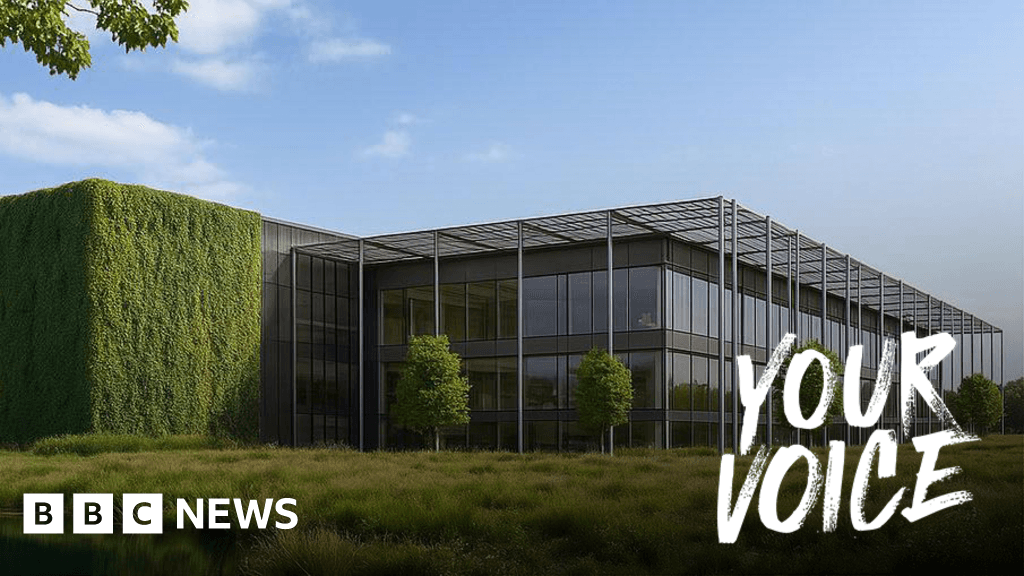
East Ayrshire's proposed hyperscale AI data centre presents a nexus of architectural ambition, technological imperative, and ecological responsibility, sparking profound discourse.
East Ayrshire's Digital Frontier: Architecting a Hyperscale AI Data Centre
In the quiet, unassuming farmlands of East Ayrshire, Scotland, a profound transformation is quietly taking shape – one that promises to reshape the very fabric of the landscape and propel the region onto the global stage of artificial intelligence. What is currently a sprawling 100-hectare pastoral expanse near HMP Kilmarnock is poised to become one of the world's largest **AI data centres**, a digital colossus envisioned by energy firm ILI Group. This ambitious project, named 'Rufus' within the broader 'Stoics' cluster, encapsulates a pivotal moment where architectural vision, technological imperative, and ecological responsibility converge, sparking intense local and intellectual discourse.
For "EverGreen," this development presents a fascinating case study in the evolving demands of **modern infrastructure design**. It's not merely about erecting buildings; it's about embedding a new form of digital ecology into an existing natural and social environment, challenging conventional notions of scale, sustainability, and community integration.
The Architectural Blueprint of Ambition
ILI Group's proposal for the East Ayrshire site speaks to an unprecedented scale, dwarfing many existing data campuses globally. The ambition is to create a multi-building complex, comparable in size to the adjacent prison, complete with an on-site electrical substation. Yet, the architectural philosophy articulated by ILI Group attempts to balance this monumental scale with a commitment to the landscape. A “vast majority” of the land is reportedly earmarked for **biodiversity and landscaping**, including wildflower areas, suggesting an effort to integrate green infrastructure into the technological behemoth.
This megastructure, designed to power future **AI infrastructure**, represents a new frontier in architectural challenges. How does one design a facility of this magnitude to be both functionally efficient and aesthetically palatable? How do these structures relate to their surroundings, and what is their lasting architectural legacy on a rural Scottish landscape?
Navigating the Ecological Footprint: Water and Energy Demands
The global surge in **data centre development**, fueled by the accelerating demands of AI, brings with it significant environmental considerations. Central to the debate surrounding the East Ayrshire project are the colossal requirements for energy and, critically, water. A 540MW facility, as proposed, raises serious questions about its **environmental impact**, particularly regarding water consumption for cooling systems essential to prevent overheating of computer chips.
Local resident Lisa Beacham, voicing concerns to BBC Your Voice, highlighted estimates of millions of litres of water per day, pointing to the United Nations’ warnings on global water scarcity. Moreover, the potential for used water to contain residues, complicating recirculation, adds another layer of complexity to the **sustainable data centre** narrative.
ILI Group counters by emphasizing Scotland's cooler climate, suggesting it minimizes cooling needs compared to warmer regions like California. A spokesperson stated that cooling might only be required for as little as 2% of the time, and that rainwater harvesting could potentially meet the project's entire water demand. However, experts like Alex De Vries of Digiconomist offer a more cautious perspective, estimating annual freshwater consumption for a 540MW facility could approach 6 billion litres, asserting that climate alone offers limited mitigation.
This dichotomy underscores a critical challenge in **green infrastructure design**: reconciling the immense resource demands of hyperscale computing with principles of ecological stewardship. The efficacy of proposed technical solutions, such as advanced water management and energy efficiency, becomes paramount in demonstrating true sustainability.
A Community Dialogue: Local Voices and Regional Revitalization
The East Ayrshire data centre proposal has ignited a multifaceted local discourse. Supporters champion the project as an engine for **regional revitalisation**, promising substantial private investment and the creation of 120-150 local jobs, ranging from security and cleaning to specialized tech roles. Greig Templeton of ILI Group cited the company's track record with community benefits, drawing parallels to the Red John hydropump storage project, which involved community funds and local amenities.
However, these promises are met with profound local anxieties and a call for greater transparency. Residents, like Cheryl Rowland, express skepticism about the long-term job sustainability and the potential for upskilling local talent versus importing skilled workers. The sheer scale and permanence of a structure designed to stand for 40-50 years, coupled with the absence of a formal Environmental Impact Assessment (EIA) at the early stages, fuels concerns about the project’s overarching impact on Hurlford and the wider area.
This situation underscores the imperative for robust **community engagement in architectural projects** of this scale. The intellectual challenge lies not just in technical design, but in fostering trust, addressing legitimate concerns, and ensuring that development genuinely contributes to local prosperity without compromising environmental integrity or community identity.
Crafting Sustainable Infrastructure: The Path Forward
As Scotland sees a proliferation of **data centre planning applications**, the East Ayrshire project serves as a microcosm for the broader challenges facing **sustainable development paradigms**. While ILI Group states it is conducting its own detailed assessments and consulting with relevant bodies like Scottish Water and SEPA, the absence of a publicly available formal EIA at this juncture remains a point of contention for local stakeholders.
The trajectory of this project will undoubtedly inform future approaches to **large-scale infrastructure projects** in sensitive landscapes. It highlights the critical need for early, comprehensive, and transparent environmental assessments, coupled with genuinely inclusive community consultation processes. Only through such a holistic approach can a technologically advanced future be architected responsibly, ensuring that the promise of digital progress does not come at an irreversible cost to our natural and social environments.
East Ayrshire's proposed AI data centre is more than a technological endeavor; it is an architectural and intellectual challenge to craft a future where innovation and responsibility coalesce, leaving a legacy that is both technologically advanced and deeply sustainable."Architectural silence is often the most profound statement a structure can make. It creates space for the mind to breathe."
— The EverGreen Compendium